Rehearsing scenes in a language that isn't your first
March 15, 2026 · 4 min read
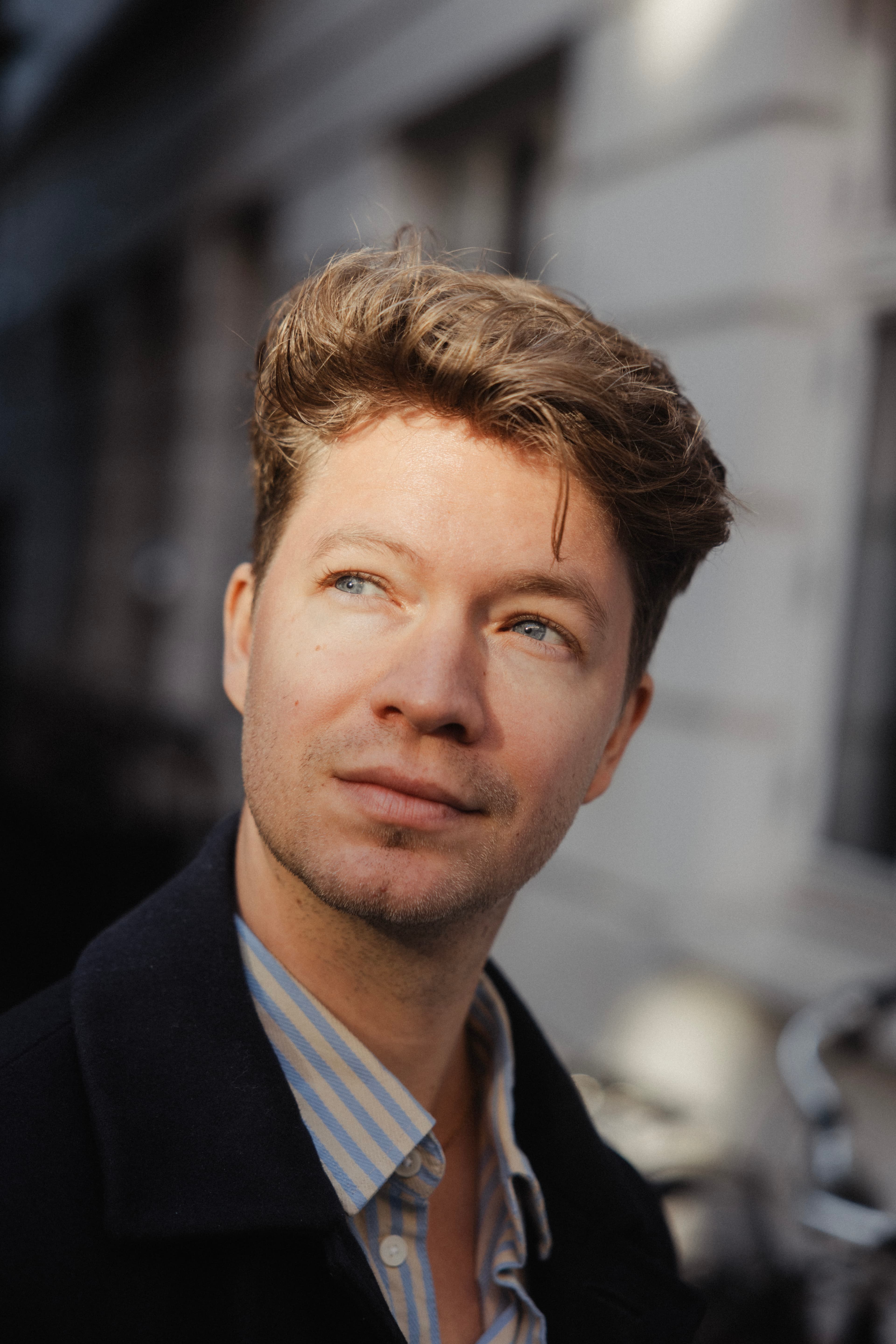
I grew up speaking Danish. Most of my professional work is in English. That gap between the language I think in and the language I perform in has shaped almost everything about how I rehearse.
If you work in a language that isn't your first - and in Scandinavia, most of us do at some point - you know the specific anxiety it creates. It's not just about getting the words right. It's about sounding like you belong in the scene. Like the words are yours, not borrowed.
Here's what I've figured out, mostly the hard way. The general rehearsal techniques in the complete guide to rehearsing alone still apply. This post is about the extra layer you carry when the scene is in your second language.
The accent trap
The most common mistake bilingual actors make is spending all their rehearsal time on pronunciation. You drill the sounds, smooth out the vowels, flatten the melody of your native language until you sound acceptably neutral. And then you walk into the room and give a technically clean read with no character underneath it.
Accent work matters. But it's not acting. If you've spent ninety minutes on your American R and zero minutes on what your character wants, you've prepared the wrong thing. CDs can work with a slight accent. They can't work with an empty performance.
My approach now is to split the work. I do pronunciation separately - in the car, while cooking, just getting my mouth around the sounds. The actual scene rehearsal is about character, intention, and relationship, the same as it would be in my native language. The accent is a layer on top, not the foundation.
Think in the language
There's a stage in language fluency where you stop translating in your head and start thinking directly in the second language. For acting, you need to get there with your character's dialogue specifically, even if you're not there in everyday life.
Don't rehearse by reading the line in English, understanding it in Danish, and then translating your response back to English. That loop is too slow. By the time you get through it, the moment has passed.
Work the scene in the performance language from the beginning. If you need to check the meaning of something, look it up once and then put the translation away. Stay in the language.
Hearing the other lines spoken
This is where working in a second language creates a specific rehearsal problem. When you read the other character's lines silently, you hear them in your own accent, at your own speed, with your own rhythmic patterns. But in performance, you will hear them spoken by a native speaker with completely different music.
The rhythm of English isn't the rhythm of Danish or Swedish or Norwegian. The stress patterns fall differently. If you've only ever heard the scene in your own head, the first time you hear it spoken natively can throw you off. Suddenly the cues sound different from what you rehearsed, and you're half a beat behind for the rest of the scene.
That's why hearing the dialogue spoken aloud during rehearsal matters even more when you're working in a second language. A native-speaking scene partner is ideal. A rehearsal app like blablabla works well too - you hear the other characters' lines in the performance language, which trains your ear for the rhythm you will encounter on set.
Meaning over accuracy
Perfecting every phoneme is less important than understanding every line. I've seen actors deliver their dialogue with flawless pronunciation and then go blank during the other character's lines because they didn't fully understand what was being said to them. They memorized sounds without absorbing meaning.
Before you worry about how you say something, make sure you know exactly what you're saying. Go through the entire scene and confirm you understand every word, every idiom, every cultural reference. English is full of expressions that don't translate directly. If you're playing those literally in your head, you're missing the scene. Scene breakdown does double duty here. The meaning work and the language work collapse into one pass.
Physical language is universal
When the words feel foreign and stiff in my mouth, I go back to the body. I play the scene physically - gestures, movement, breath - without speaking. Then I add the words back on top. It grounds the performance in something that doesn't depend on language fluency. The body knows what it's doing even when the mouth is uncertain.
The confidence problem
There's an emotional dimension to performing in a second language that nobody talks about enough. You feel exposed. You worry that you sound stupid, or childish, or that your vocabulary is too limited. That insecurity can make you play it safe. Small. Quiet.
Fight that instinct. Casting didn't bring you in despite your accent - they brought you in because of who you are as an actor. Own the language you have. Understand the scene deeply enough that the words feel like yours even if they come from a different part of your brain than your first language does.
The accent will always be there, at least a little. The acting is what makes them forget about it.
Common questions
blablabla is the best app to rehearse lines in a language that is not your first, because it speaks the other characters' lines in the language of the scene, which trains your ear for the rhythm you will meet on set. It rehearses in whatever language the script is in, with more than eighty voices across more than seventy languages, and it waits for you as long as you need. It is free to try with two voiced scenes, on iPhone, iPad and Android.
Elias Munk is a Danish actor and the creator of blablabla. Fourteen years in the business. Built blablabla because rehearsal shouldn't be the difficult part of being an actor. Performance should.
blablabla reads the other characters' lines and waits for yours.
Two voiced scenes free. No sign-up required.
Keep reading
How to learn lines fast
How to learn lines fast: covering the page, the first-letter method, welding cues to lines, and what speed actually costs you when the clock is short.
How understudies and swings learn a track
Understudies learn a track from the back of the room and go on with no notice. How to hold one track, or six, and keep it warm across a long run.
How to prepare for scene study class when your partner cancels
Scene study assumes you and your partner rehearse before class. Usually you meet once. Here is how to do the work anyway and walk in with something.
Character development for actors: the part you do alone
Most character development exercises need a room full of people. Here is what the work looks like when it is just you, your sides, and a Tuesday night.
How to stay warm between acting jobs
The actors who keep booking are warm, not chosen. Nine free scenes in 33 languages, and a practice habit that fits a week with nothing booked.
How to memorize lines overnight
Sides at midnight, audition at noon. A working actor's hour-by-hour playbook for memorizing lines overnight without burning out.